News
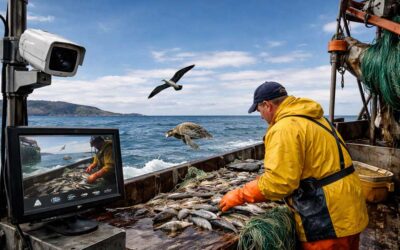
Bycatch and Habitat Regulation: Future Reforms to Minimise Environmental Harm
Bycatch and habitat impacts remain among the most significant regulatory challenges facing commercial fisheries in Australia. While fisheries management frameworks have long focused on stock...

Fisheries Management Policy Review: Balancing Conservation and Commercial Rights
Fisheries management sits at the intersection of environmental protection, economic sustainability and community expectations. Governments must ensure that fish stocks and marine ecosystems are...

Charged with a Criminal Offence: What to Do, When to Do It and How to Reduce Your Risk
Charged with a Criminal Offence: What to Do, When to Do It and How to Reduce Your Risk Being charged with a criminal offence can be one of the most stressful and uncertain experiences an individual...

Challenging a Will: Understanding Your Rights and Grounds for Contesting
Disputes Over Wills and Estates Disputes over wills and estates can be some of the most emotionally charged legal matters individuals face. The death of a loved one is already a difficult time, and...
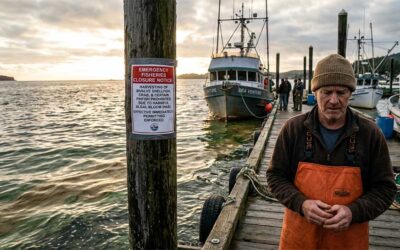
Algal Blooms & Emergency Fisheries Closures: Legal Risk and Business Continuity Strategies
Harmful algal blooms (HABs) are no longer rare, isolated events. Warmer waters, altered ocean currents, nutrient runoff and extreme weather patterns are contributing to more frequent and more...
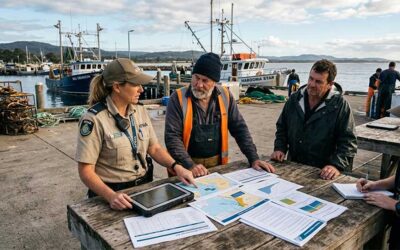
Climate Change Adaptation Obligations under Australian Fisheries Law
Climate change is reshaping Australia’s marine environment at a pace that is testing traditional fisheries management frameworks. Rising sea temperatures, marine heatwaves, ocean acidification,...
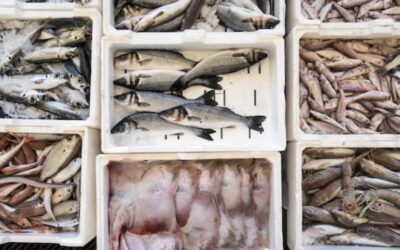
The Path to 30% Highly Protected Marine Areas by 2030 and its Commercial Fisheries Impact
Australia has committed, alongside many other nations, to the global objective of protecting 30% of land and marine areas by 2030 — commonly referred to as the “30x30” target. In the marine context,...
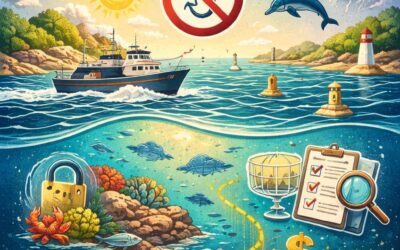
ESG Reporting and Sustainable Aquaculture: Legal Drivers for Industry Beyond 2026
Australia’s aquaculture sector has matured into one of the most sophisticated and export-oriented segments of the agribusiness economy. Premium salmon, tuna, oysters, prawns and emerging species...
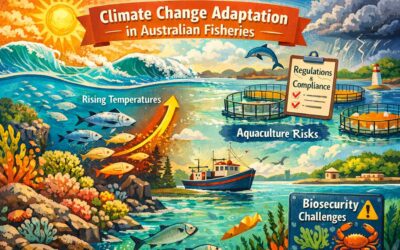
Climate Change Adaptation Obligations under Australian Fisheries Law
Climate change is no longer a future policy concern for Australia’s fisheries sector — it is a present operational reality. Rising sea temperatures, marine heatwaves, ocean acidification, shifting...
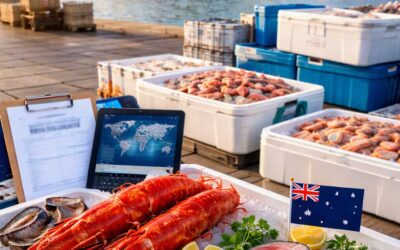
Evolving Export Market Access Requirements & Trade Law for Australian Seafood
Australia’s seafood industry has long relied on export markets for growth, margin stability and product diversification. From premium rock lobster and abalone bound for China, to tuna for Japan,...
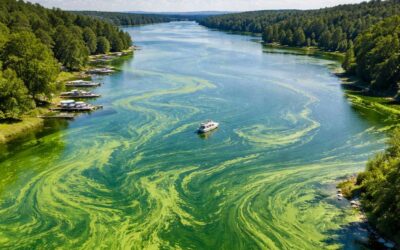
ALGAE BLOOMS & EMERGENCY FISHERIES CLOSURES: LEGAL RISK AND BUSINESS CONTINUITY STRATEGIES
Harmful algal blooms are becoming more frequent across Australian waters, and when they occur, regulators can move quickly to close fisheries, disrupt supply chains and expose seafood businesses to...
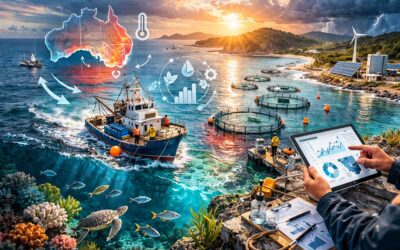
Marine Conservation Law & Fisheries Access: Conflicts, Compromise and Coexistence
Australia’s marine environment is governed by an increasingly complex intersection of conservation law, fisheries regulation and international biodiversity commitments. As marine protected areas...
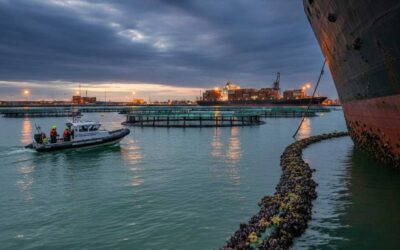
Biosecurity Law after the Spread of Invasive Marine Species
Invasive marine species are no longer a hypothetical risk for Australia’s seafood, aquaculture and commercial fishing sectors—they are an operational, legal and reputational reality. As ocean...
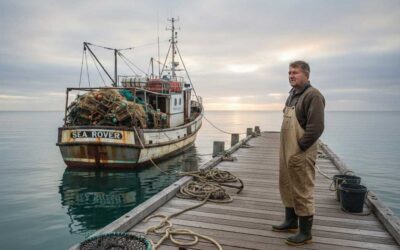
Proposed WA Fisheries Compensation Package for Commercial Fishers: What it is, where it’s up to, and how fishers should prepare!
The closure of commercial fishing activity across parts of Western Australia’s west coast from December has been one of the most disruptive regulatory interventions the sector has faced in decades....
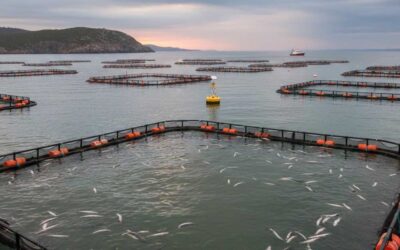
Legal Implications of Climate-Driven Mass Mortalities in Salmon Aquaculture
Climate-driven mass mortalities in Tasmanian salmon aquaculture are no longer a “once in a decade” anomaly. Warmer waters, lower dissolved oxygen, shifting currents, and more frequent marine...
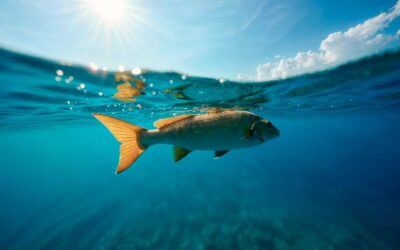
Navigating the National Sustainable Ocean Plan: What Fisheries and Aquaculture Operators Need to Know
Australia is developing a national Sustainable Ocean Plan to better protect the marine environment while supporting a growing “blue economy”, and that combination—conservation plus growth—signals...
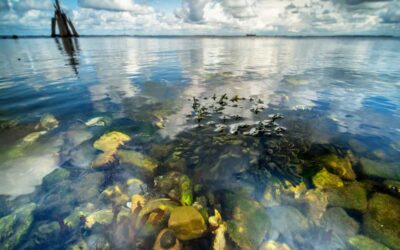
Strengthening Climate Resilience in Seafood Businesses: Legal Tools & Policy Options
1.What “climate resilience” means in legal and commercial terms Resilience is often treated as a technical or operational concept, but it is increasingly measurable through legal duties: risk...
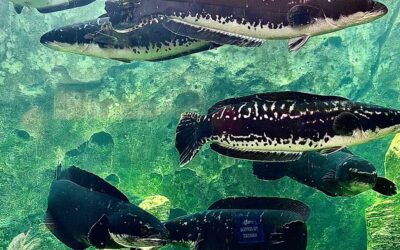
Digital Fisheries Monitoring: Regulatory Impacts of AI, Drones & Remote Sensing
Australia’s commercial fishing sector is undergoing a profound technological transformation. Digital monitoring tools—once experimental—are now mainstream in compliance, sustainability reporting and...

Branding Australian Seafood: Intellectual Property and Mis-Representation Risk
Branding has become central to the competitiveness of Australian seafood producers in domestic and international markets. As consumers increasingly demand provenance, sustainability, species...
2025 Employment Law Changes: What Commercial Fishing Businesses Need to Know
The commercial fishing industry relies on strict compliance, safe operations and a workforce that often operates in complex and high-risk environments. As employment laws continue to evolve, fishing...
STAY UP TO DATE
Get In Touch
Talk to the 'Fish Lawyer' about a consultation for a Legal Strategy Session.